

Reach More Patients With Health Content That Ranks and Earns Trust
Docket runs healthcare content marketing for clinics, practices and healthcare groups: patient topics planned from real search demand, full drafts in your voice, and the banned terms, claims and disclaimers your team sets checked before every publish. Every draft arrives checked, so content moves faster without cutting corners.

Required disclaimer enforced
Checked word for word before every publish
Why Is Healthcare Content So Hard to Get Out the Door?
Four patterns familiar to anyone who has sat in a content review, and the part of Docket built for each one.
The Disclaimer Goes Missing on Article Forty
Required disclaimers are lines that must appear word for word. A draft without yours cannot be published, by anyone.A Draft Promises a “Painless” Procedure
The Healthcare & Medical preset puts cure, guaranteed, miracle, breakthrough and painless on the never-use list. Add them to brand safety and they block the publish.Patients Ask ChatGPT Before They Call
Docket asks ChatGPT, with live web search, the questions your patients ask, and shows which practices it named instead of yours.Anyone With a Login Can Publish
Set the approval role to Owner and only a workspace owner can publish. Brand safety rules apply to every publish.
How Does Docket Check Medical Content Against Your Compliance Rules?
Your team writes the rules: words that must never appear, claims you are not allowed to make, and lines that must appear word for word. Docket checks the title, meta, excerpt and body before every publish, with markup stripped so a tag cannot hide a word.
The rules also go to the writer before it starts, so drafts arrive clean, and the check before publishing confirms every one.
- Banned Terms Matched on Whole Words, So “Cure” Does Not Fire on “Secure”
- A Rule That Cannot Be Checked Blocks the Publish Instead of Waving It Through
- An Optional Fact Check Against Your Own Business Details, Which You Can Make Mandatory
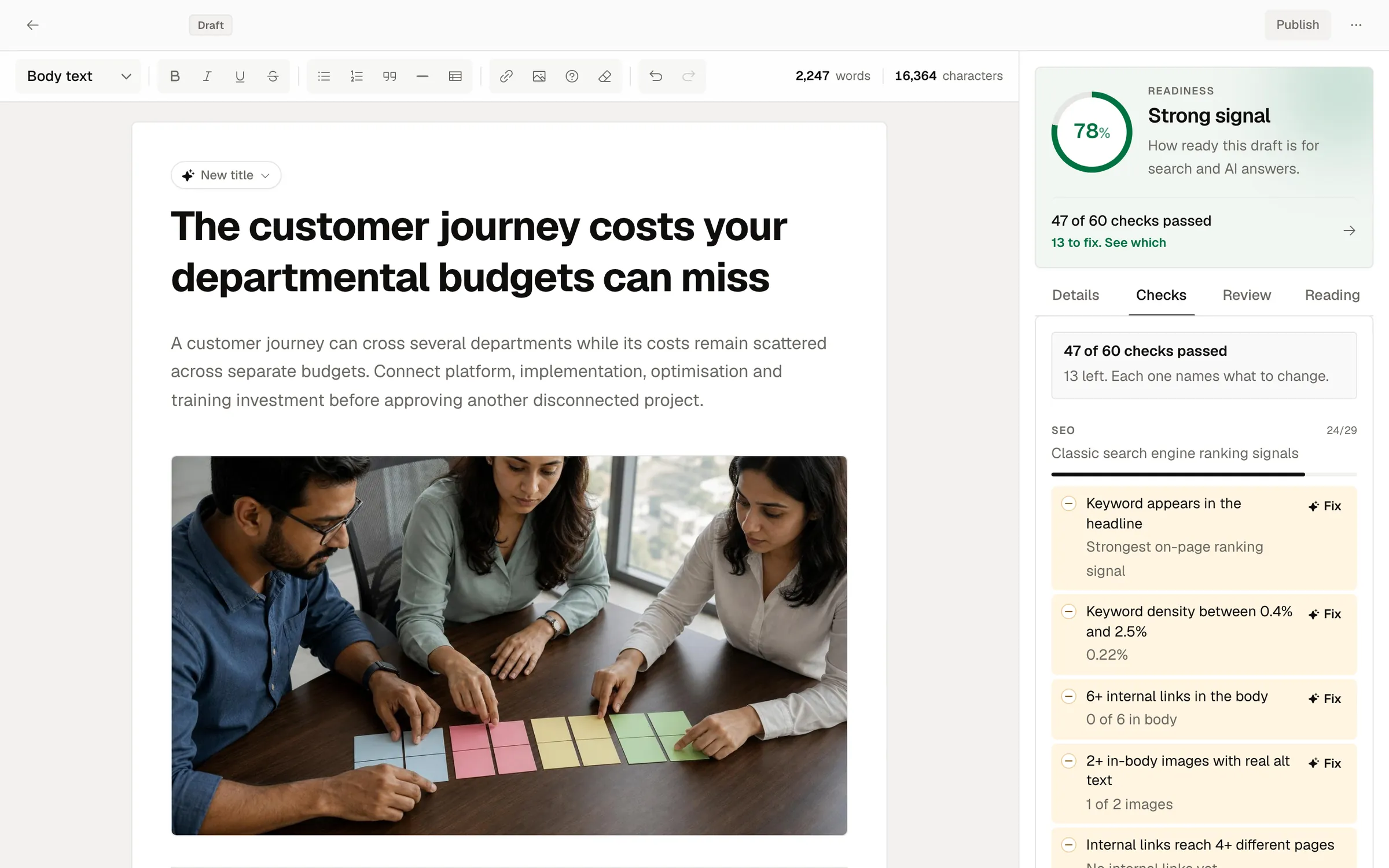
Does ChatGPT Recommend Your Clinic to Patients?
Patients ask for a kind of care near them, not for your name. Docket tracks 20 questions by default, built from your website and your real Google Search Console queries. Add your own, up to 100.
Each answer is read for whether you were named, who was named instead, and which sources ChatGPT trusted to decide.
- Hallucinations Kept Apart From Factual Errors, Because the Fixes Differ
- Share of Voice Reported as a Range, Not False Precision
- Each Gap Can Become a Content Brief in One Click
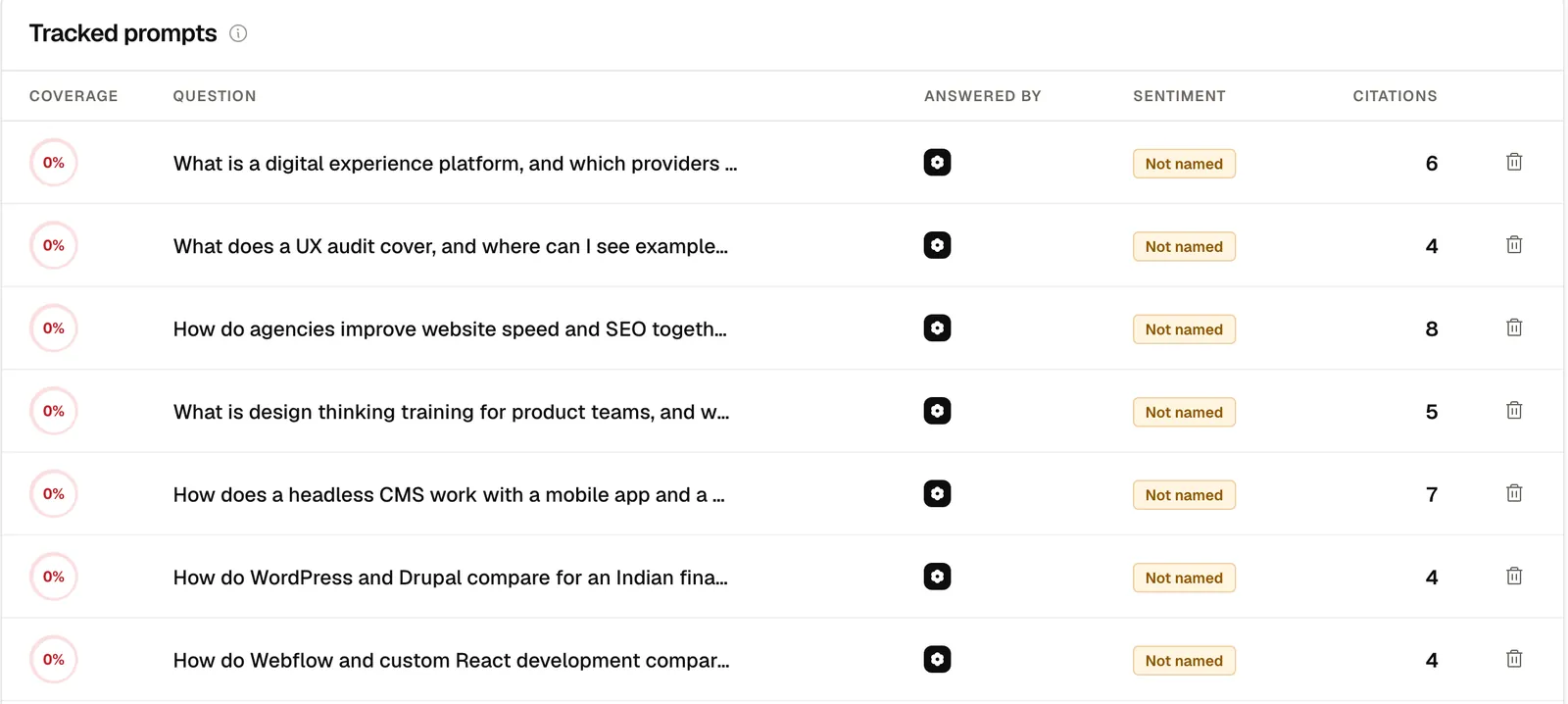
Which Health Dates Does Docket Plan Around?
Dated occasions filtered by your region and industry. For a practice that includes Dry January, Blue Monday, World Mental Health Day and Movember, plus Stoptober and the London Marathon in the UK.
Every seasonal topic gets three dates: when the occasion happens, when the piece should be live, and when writing should start.
- Dates Computed, Never Guessed
- Dates That Move Each Year Flagged for You to Confirm
- A 3-month Calendar Filled in at Setup
Patient Questions Each Kind of Practice Should Own
Examples of tracked questions. The preset already plans for patients researching a condition, carers and referrers.
Private Clinic
“Which clinic near me can see me this week for a skin check?”Dental Practice
“How much does a dental implant cost, and is it worth it?”Physiotherapy and Rehab
“How long does recovery take after a knee replacement?”Hospital Group
“Which private hospital nearby does day-case cataract surgery?”
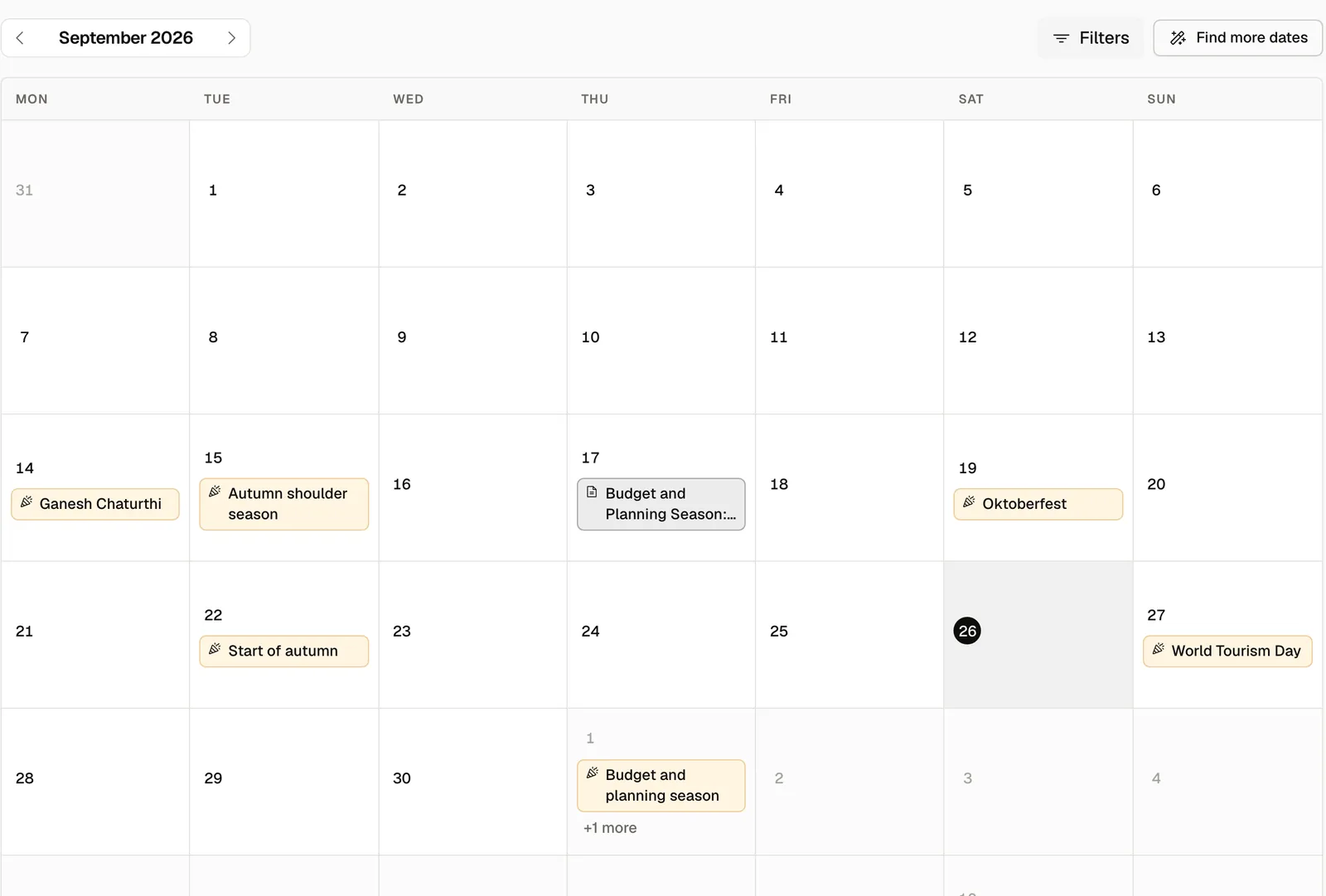
Healthcare Disclaimers and Banned Claims, Set Once
Banned terms, banned claims, the disclaimer that must appear word for word, who can publish and whether a fact check is required: all set once per website, and applied to every draft.
- Pin Verified Facts in the Vault, Such as Services and Clinician Credentials
- Set Approval to Owner So Only a Workspace Owner Can Publish
Healthcare Content Marketing: Docket vs the Usual Way
| Topic | The Usual Way | With Docket |
|---|---|---|
| Required Disclaimers | The Usual Way: Pasted in by hand, when someone remembers. | With Docket: Checked word for word. Missing means the publish is blocked. |
| Risky Words | The Usual Way: A style guide nobody opens. | With Docket: Banned terms matched on whole words across title, meta, excerpt and body. |
| Publishing Permissions | The Usual Way: Whoever has the WordPress login. | With Docket: Optionally, only a workspace owner can publish. |
| Facts About the Practice | The Usual Way: Copied from an old brochure. | With Docket: With the fact check on, claims are compared with your own business details. |
| AI Answers | The Usual Way: Checked by hand, now and then. | With Docket: Patient questions asked in ChatGPT, answers read for who was named. |
| Health Dates | The Usual Way: The Stoptober post goes live in November. | With Docket: Writing starts from each occasion's lead time. |
How Does a Practice Get Started With Docket?
Paste a URL, add the rules your compliance team already has, and Docket gets to work.
- 1
Paste Your Website Address
Docket reads your homepage and up to 4 more pages, such as your services and contact pages. It lifts up to 6 sentences word for word as voice samples. - 2
Pick Healthcare & Medical
The preset brings a calm, precise tone and patient content patterns: condition explainers, treatment options and what to expect, preparation and recovery guides, and when to seek care. - 3
Write Your Brand Safety Rules
Banned terms, banned claims, required disclaimers, who can publish and whether a fact check is required. Add verified facts to the Vault. - 4
Get Checked Drafts
Each draft has at least 1,500 words, 10 to 14 FAQs, at least 3 external links on 3 or more domains, and 450+ checks on screen. - 5
Publish to WordPress
Publish now or on a schedule. The rules run first, and if one needs attention, the reason is shown right there.
Built Around Your Practice's Compliance Rules.
Docket is a content platform with a strict publish gate. Your team sets it up once, and it applies to every draft on every website.
Your Team Writes the Rules
Banned terms, banned claims and required disclaimers come from your team, and Docket applies them to every draft.
Built Without Patient Data
It works from your public website and the material your team adds. Patient records never need to go near it.
Encourages a Consultation
The preset writes marketing for your practice and points readers to a clinician, never to self-diagnosis.
Facts From Your Own Practice
The optional fact check compares claims with your own business details, the facts you keep in Docket.
Publishing Permissions
Limit publishing to workspace owners, and every post is checked against your rules first.
Measured in ChatGPT, Live
Patient questions are asked in ChatGPT with live web search, so every reading reflects what patients actually see.
Healthcare Content Marketing Questions, Answered
How does Docket help healthcare practices with content marketing?
Docket reads your practice's website, suggests unlimited topic ideas every week, scored from your search demand and a calendar of dated occasions, drafts each one you pick in your voice and checks it 450+ ways. Your brand safety rules are checked before every publish, and posts go to WordPress now or on a schedule.
Can Docket make sure our medical disclaimer is on every article?
Yes. Add it as a required disclaimer and Docket checks that the line appears word for word before anything publishes. If it is missing, the publish is blocked, every time. A scheduled post that fails the check comes off the schedule, with the reason logged.
Does Docket make medical content compliant?
Docket checks every draft against the compliance rules your team sets: banned terms, banned claims, required disclaimers and, if you switch it on, a fact check against your own practice details. It supports your clinical and compliance review rather than replacing it, so every draft arrives already checked against your rules.
Does Docket handle patient data?
No. Docket works from your public website, your Google Search Console and GA4 data, and the material your team chooses to add. It writes marketing articles about your services, so there is no place for patient records and none is ever needed.
How does Docket keep facts about our practice accurate?
Put verified facts in the Vault, such as services, opening hours and clinician credentials, and pin the ones that matter. Pinned items go to the writer on every article. An optional fact check compares a draft's claims with your own business details, and you can make it mandatory before publishing.
How can my clinic get recommended by ChatGPT?
Docket helps by showing where ChatGPT names other practices instead of yours, then turning each gap into a brief for an article that answers that patient question clearly. Every draft is graded against Docket's GEO checks, such as a direct, quotable opening answer and recorded sources. Docket then measures whether ChatGPT names you, reading by reading.
Can Docket tell me what ChatGPT says about our clinic?
Yes. Docket asks ChatGPT, with live web search, the questions your patients ask: 20 by default and up to 100. It records whether your practice was named, which practices were named instead and which sources were cited, and it keeps hallucinations apart from factual errors.
Can a hospital group run several clinics in Docket?
Yes. Each clinic can be its own website in Docket, with its own brand rules, competitors, calendar, WordPress connection and topic queue. All of them sit in one workspace, and everyone in that workspace sees every clinic. A workspace holds the owner plus up to 3 people.
Bring Your Rules. See Them Check a Real Draft.
See your rules check a draft, your topics and what ChatGPT tells patients, with your own domain on the screen.